Annual Rate Increases for Freelancers (When to Raise, How to Announce)
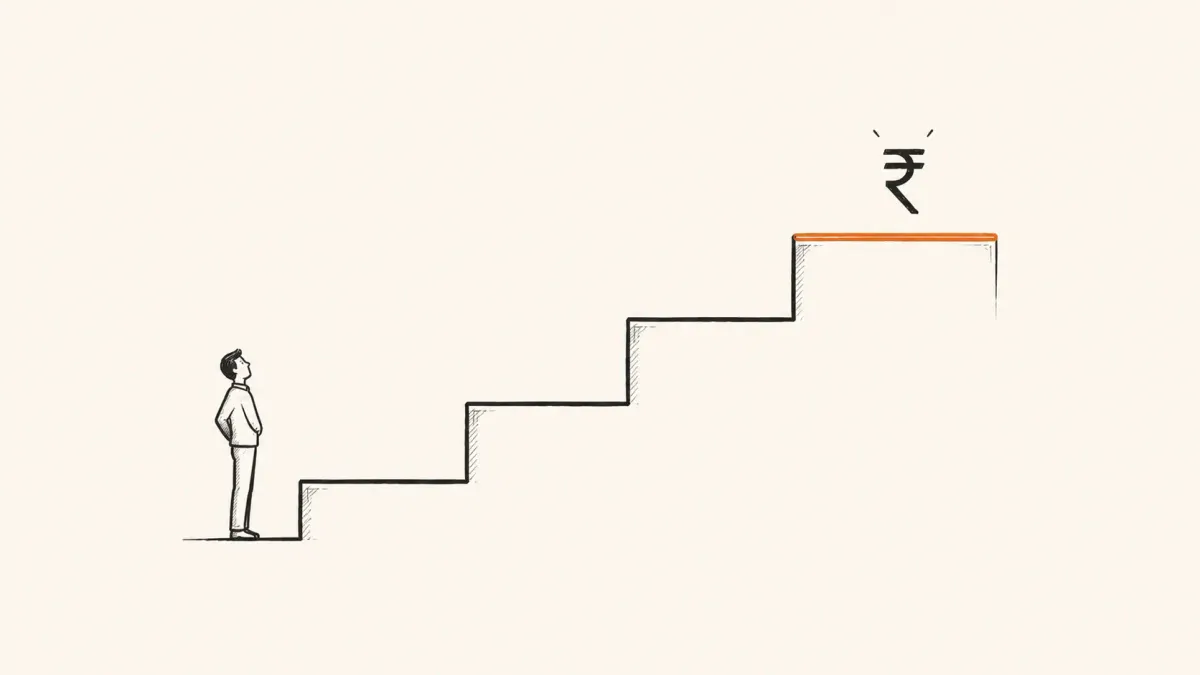
Most freelancers operate under a quiet, expensive belief: that the rate they quoted a client in 2023 is the rate they’re stuck with forever. They’ll raise prices for new prospects, sure. But the existing roster? Frozen. Untouchable. A polite, unspoken agreement that the relationship matters more than the money.
That belief costs the average solo operator somewhere between ₹2-4 lakh per year. Not because clients would leave if asked. Because they were never asked. Inflation runs 5-6% in India and 3-4% in the US. Skills compound. Costs rise. Yet the freelancer who charged ₹40,000 a month in 2023 is still charging ₹40,000 a month in 2026, watching the real value of that retainer erode while telling themselves they’re being “loyal.”
The retention math nobody runs
Here’s the calculation that should be taped to every freelancer’s monitor. A 15% rate increase, applied to a roster of six retainer clients at ₹50,000/month, generates an extra ₹5.4 lakh per year. Even if two of those six clients leave (a 33% churn rate, which is dramatically higher than what actually happens), the remaining four still produce ₹2.76 lakh more than the original six did.
The fear isn’t rational. It’s emotional. Solopreneurs imagine the awkward email, the disappointed reply, the relationship souring. So they don’t send the email at all. Meanwhile, the data from the 200+ freelancers who’ve actually run this play tells a different story: rate increases of 10-15%, delivered with 30 days notice and a clear reason, see retention rates of 82-88%. Not 50%. Not 60%. Closer to nine out of ten.
The real risk isn’t losing clients. The real risk is keeping them at 2023 prices for so long that resentment quietly poisons the work. That’s how good freelancers turn into bitter ones.
Why clients don’t actually leave
Switching costs are brutal for the client side, and most freelancers underestimate this badly. A client who’s worked with you for 18 months has invested in onboarding, context-sharing, brand voice training, and the slow accumulation of trust. Replacing you means re-running all of that with someone new, plus the risk that the new person is worse. A 15% increase on a ₹60,000 retainer means ₹9,000 more per month. The cost of switching, in time and risk, is almost always higher than ₹9,000.
Clients know this. The smart ones price it in immediately and say yes. The ones who push back usually want a small concession (a phased increase, a slightly smaller bump), not a full exit.
When to raise: the timing rules
Raise rates once a year. Not twice. Not “whenever you feel like it.” Once. Pick a calendar month and make it the ritual.
January is the obvious choice and the wrong one. Every vendor on the planet is raising prices in January, budgets are tight, and your email gets buried. April works better in India because of the financial year reset. July is the cleanest globally: mid-year, no holidays, no budget freezes, and clients have psychological space to absorb the news.
The other timing rule: never raise rates inside a project. Wait for a natural boundary. End of a retainer cycle. Completion of a milestone. Renewal of a contract. Raising rates mid-engagement feels like a hostage situation to the client, even when the math is reasonable.
Skip the increase only in three cases
Don’t raise rates on a client you’ve worked with for less than nine months. They haven’t seen enough value yet, and you haven’t earned the standing. Don’t raise rates on a client who’s currently in a visible crisis (layoffs, funding trouble, a bad quarter). And don’t raise rates on a client you secretly want to fire. If you want them gone, just fire them cleanly instead of using a price hike as a passive exit strategy.
Everyone else gets the email.
The script that works
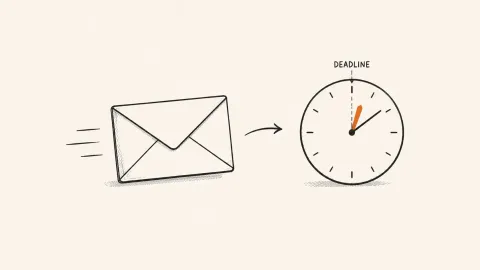
The announcement email has four jobs: state the increase, give a reason, set a date, and remove ambiguity. It should be short. Three paragraphs. No apologies, no over-explaining, no “I hope this is okay.”
Here’s the structure that delivers the 85% retention rate:
Subject: Rate adjustment for [Client Name], effective [Date]
Hi [Name],
Quick note on pricing. Starting [Date, 30+ days out], the monthly retainer will move from ₹[Current] to ₹[New], a 15% adjustment. This is the first increase since we started working together in [Month Year], and it brings the rate in line with what new clients have been paying since [Month].
Everything else stays the same: scope, deliverables, response times, the way we work. The new rate will apply to the [Month] invoice and forward.
Happy to jump on a quick call if useful, but no action needed on your side. Just wanted to give you plenty of lead time.
[Your name]
Notice what isn’t in there. No “I know this might be difficult.” No “please let me know if this works for you.” No long preamble about inflation or cost of living. The tone is professional, calm, and assumes the client will accept (because most of them will).
The phrase “rate adjustment” matters. “Price increase” sounds defensive. “Adjustment” sounds like a calendar event that’s already been decided.
What to do when they push back
Roughly 15-20% of clients will reply with some form of pushback. Most of it is mild (“can we talk about this?”) and resolves with a five-minute conversation. The framework:
If they ask for justification, give one sentence: rates haven’t moved since [date], and the work has grown in scope and quality. Don’t list every skill you’ve learned. Don’t pull out a spreadsheet.
If they ask for a phased increase, accept it. A 7% bump now and 8% in six months is functionally the same as 15% in one shot, and it preserves the relationship. Take the deal.
If they ask you to hold rates flat for another year, the answer is a polite no. Offer a 10% increase instead of 15% if you want to give ground. But don’t go to zero, because the next year’s conversation becomes impossible.
If they say they need to “evaluate options,” let them. About 70% of clients who say this come back within two weeks and accept. The ones who don’t were planning to leave anyway, and you just saved yourself months of slow disengagement.
The pre-conversation work nobody does
Most freelancers send the rate email and then panic about the response. Smart ones do three things in the 30 days before:
Document the wins. Pull together a short list of measurable outcomes from the last 12 months. Not a portfolio, just bullet points: campaigns shipped, revenue influenced, hours saved, problems solved. You don’t send this with the email. You keep it ready for the follow-up call that 20% of clients will request.
Check the market rate. If you’re charging ₹50,000 and the going rate for your work is ₹80,000, a 15% bump still leaves you underpriced. Knowing this changes your tone. Use a quick reference like the freelance hourly rate breakdown to anchor yourself before sending.
Decide your walk-away number. Before the email goes out, write down the rate below which you’d rather lose the client than keep them. This number is for you, not the client. It prevents you from caving to a counter-offer that leaves you worse off than the original rate.
The accidental discount you’ve been giving
Every year a freelancer doesn’t raise rates is a year they’ve effectively given the client a 5-6% discount. Three years of flat pricing equals a real-terms 15-18% pay cut. That’s not loyalty. That’s a quiet erosion of the freelance business model.
The freelancers who run annual increases like clockwork (same month, same script, same calm professionalism) build practices that compound. The ones who avoid the conversation build practices that slowly suffocate. The difference between the two groups isn’t talent or client quality. It’s the willingness to send one uncomfortable email, once a year, on a calendar reminder.
Put July on the calendar. Write the email now, save it as a draft, and let the date do the rest.
Pair this with the graduated outreach framework for finding better-fit clients and the seven mistakes most first-year solopreneurs make for the full pricing-and-positioning loop.